

She found herself East of the sun and West of the moon. At least they were lost together.
We traveled out West to sample an East of the Sun, and now we’re back out East to quaff a West of the Moon. * Sounds like the old GPS is on the fritz but as Blue Rodeo would say, at least we’re lost together. ** Bellwoods, out of the big smoke, *** an accurate nickname for Toronto these days, is offering up this fairytale brew. **** Time to see if this sampling has a Disney ending or ends up lost in translation.
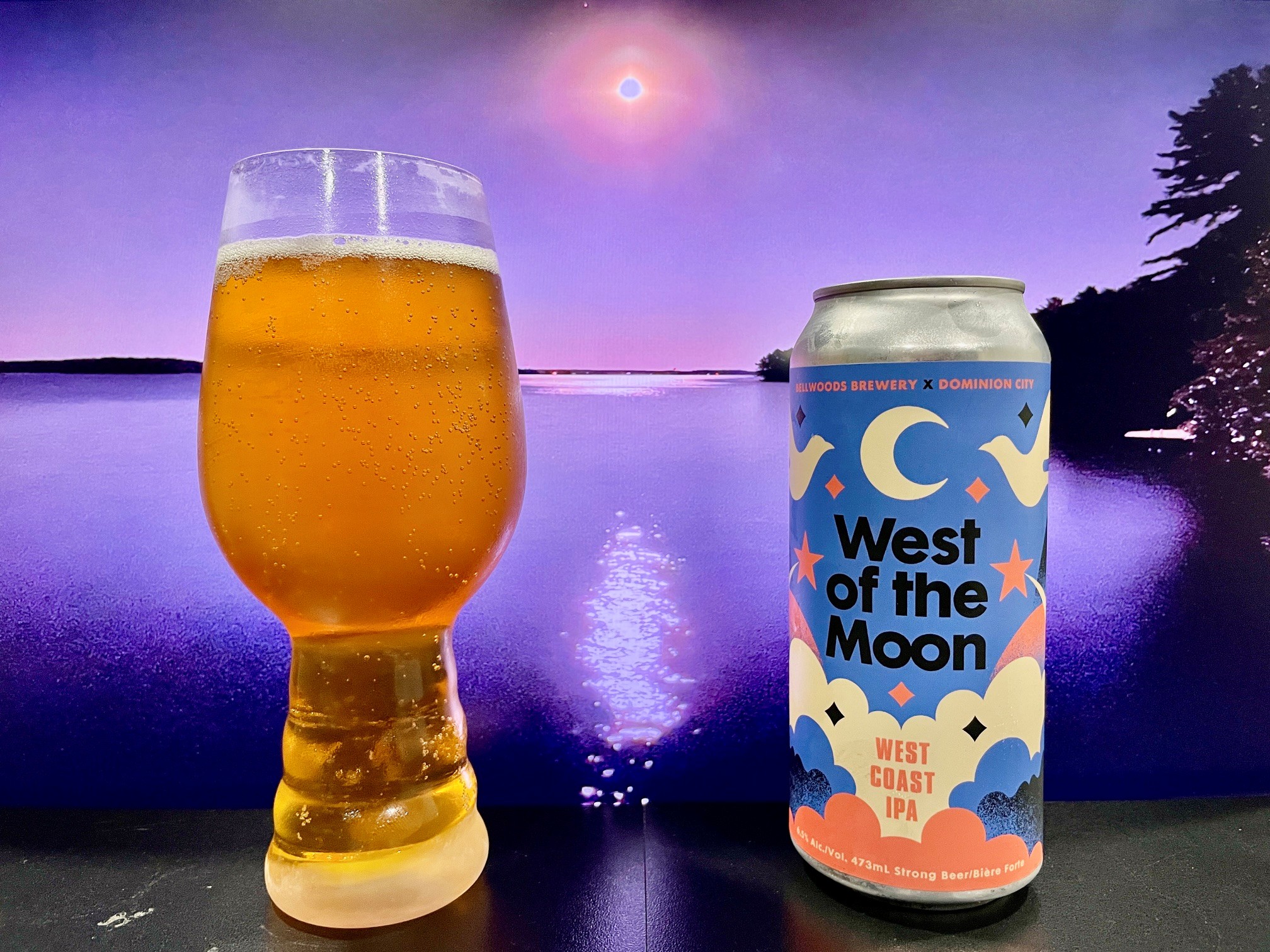
A clear shaded golden pour, moonlight mixing with the bubbles for a lava lamp look alike. A slim trim waning crescent head. It has a stone fruit juicy aroma with a touch of hops in the background. First taste is a thin watery peachy with a mild pine bitter finish and aftertaste, a moonlight thirst quencher. As it evolves, warms and matures it maintains its stone fruit juice base, with pine becoming more pronounced generating some funky bitters. Back and forth a bit, maybe this one needed a bit of direction, but it’s an OK West Coaster
*Editor’s Comment: COMDB previously sampled Vancouver based brewer North Point’s East of the Sun. Dominion City also brews an East of the Sun, an East Coast Style IPA to bookend Bellwoods’ West coaster.
**Editor’s Comment: Blue Rodeo’s 1992 album Lost Together had a number of hits including the title track. The song name is also the title of a 2024 documentary about the band.
***Editor’s Comment: Toronto has the nickname “the big smoke” which originated from the air pollution created by industry in the area in days gone by. These days the region is subject to smoke from wildfires in the North.
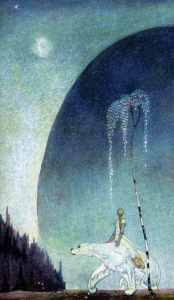
****Editor’s Comment: The traditional Norwegian fairytale “East of the Sun West of the Moon” was first put to writing in the mid 1800’s. It tells the story of a white bear and the prettiest and youngest daughter of a poor family. I found the story to be a bit of a stretch myself, even for a fairy tale. It “bears” resemblance to Beauty and the Beast and a number of other fairy tales that all seem to be loosely derived from the ancient Latin tale of Cupid and Psyche. It should be noted that Disney’s treatment of most fairy tales, including Beauty and the Beast, often varies significantly from the original tale, although the immortal and undying love style of ending seems to be common to most.
0 Comments